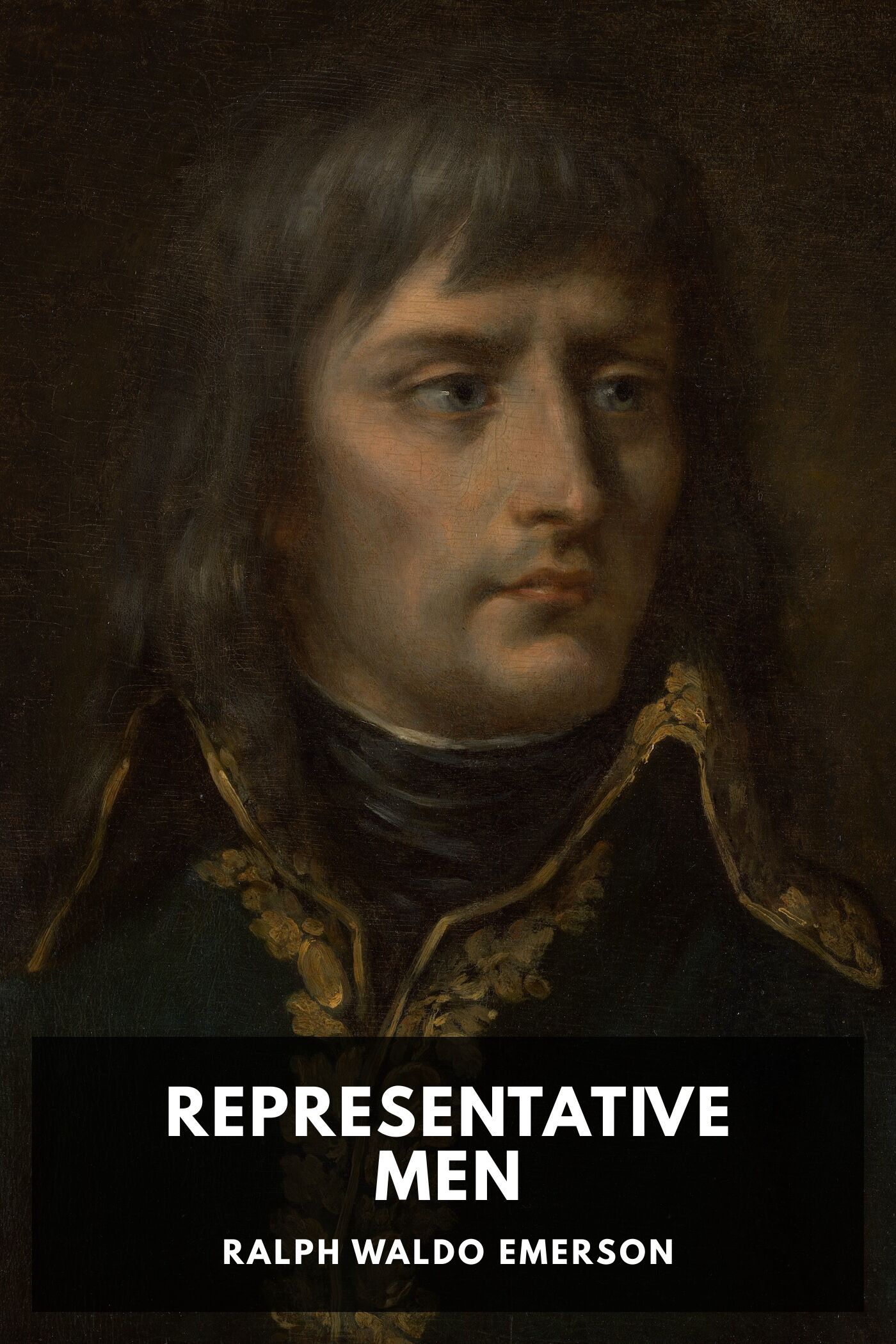
Representative Men: Seven Lectures
Description
"Representative Men: Seven Lectures" by Ralph Waldo Emerson is a philosophical work written during the mid-19th century. This collection of lectures explores the influential figures in human history, examining how their ideas and actions shape society and serve as models for others. Emerson delves into the lives and philosophies of notable personalities such as Plato, Swedenborg, Montaigne, Shakespeare, Napoleon, and Goethe, emphasizing the role of great individuals in driving human progress and understanding. The opening of the text introduces Emerson's view on the significance of great men, stating that humanity's belief in such figures is natural and even poetic. He emphasizes that society derives joy and meaning from these paragons, who serve as lenses through which individuals can grasp complex ideas and aspirations. Emerson discusses the societal impact of these figures, asserting that their thoughts inspire collective action and serve as moral compasses. Through this exploration, he sets the stage for a deeper analysis of each representative figure in the subsequent lectures, revealing how they contribute to a greater understanding of human nature and the fabric of civilization. (This is an automatically generated summary.)
Class:PS: Language and Literatures: American and Canadian literature
Read Free
This ebook is thought to be free of copyright restrictions in the United States. It may still be under copyright in other countries. Please check your local laws.
Download Options (via Gutenberg)
-
Compatible epub
Recommended for most apps.
-
Kindle (Mobi/Azw3)
For Kindle devices.
-
Read Online (HTML)
Read directly in your browser.